
How to Inflate a Soccer Ball
A practical step-by-step guide to inflating a soccer ball to the right pressure without trusting shape alone or overshooting the range.

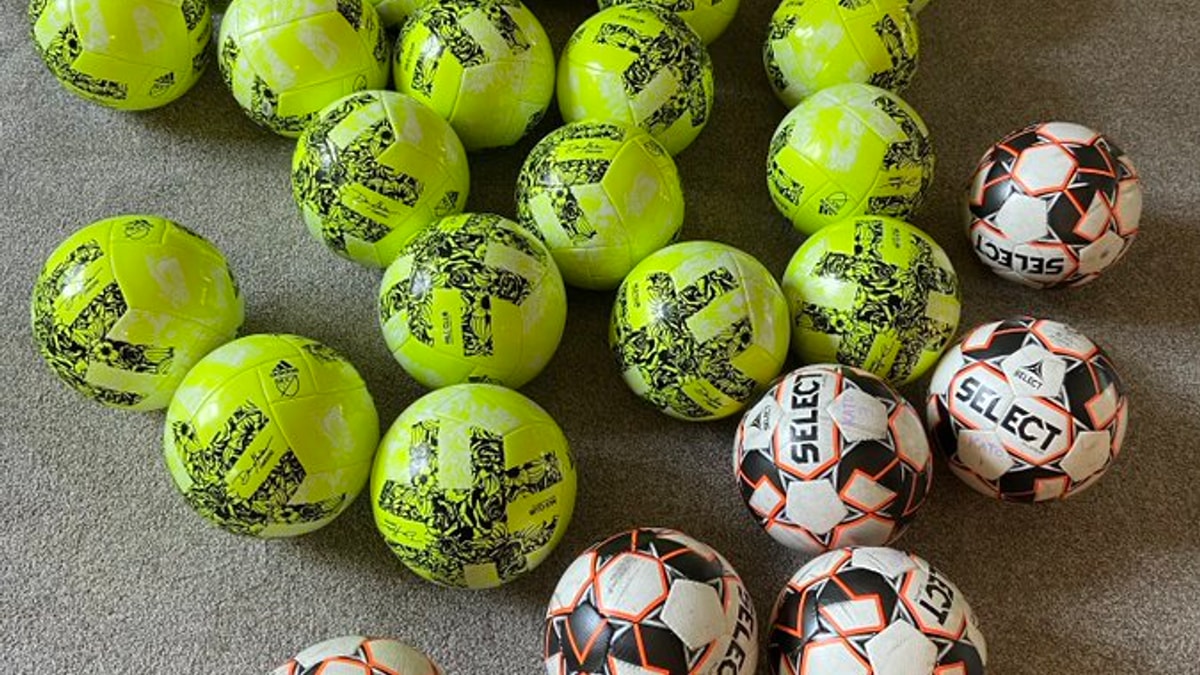
To inflate a soccer ball correctly, check the printed range on the ball, wet the needle, read the current pressure, and adjust toward the target instead of relying on how round the ball looks. That one habit change saves most sideline mistakes.
Soccer balls are sneaky because a soft ball can still look playable. If you coach, manage equipment, or prep a club bag, shape is not enough. You need a number and a repeatable routine.
Jump to a section
Know the range before you add air
IFAB Law 2 lists a match-ball pressure range of 0.6 to 1.1 atmosphere at sea level, which works out to about 8.5 to 15.6 PSI. That is a wide band, which is exactly why the printed range on the specific ball still matters.
Read the ball first, then decide where inside that range your team wants the ball to live. The soccer ball PSI guide goes deeper on how weather, age group, and surface can change the feel.
Use this simple soccer-ball inflation routine
A calm five-step process beats frantic bag-side pumping every time.
A little moisture protects the valve and makes insertion smoother.
Do not guess from shape. Start with the current pressure so you know whether the ball is actually low.
Soccer balls often need a correction, not a major fill. Add or release air in steps.
One extra look prevents the classic sideline overshoot.
Once it is checked, keep it separate from the balls that still need work.
Club bags need a cleaner workflow than one-ball top-offs
A single ball after backyard play is easy. A club bag before training is where the process falls apart if nobody wrote down the target.
If several people help with setup, keep a short pressure card in the bag and log special cases in the ball pressure log for teams. That turns "make them feel right" into a routine that someone else can repeat.
What people usually get wrong with soccer balls
They trust shape instead of pressure
A soccer ball can still look full when it is too soft. That is why the first pass or first touch often exposes a problem that the eye missed.
They skip the printed range on the ball
The official rule range is important, but the specific ball in the bag still tells you what the maker expects.
They forget temperature swings
A bag that sat in a cold car or hot garage can change enough overnight to make yesterday's "fine" ball feel off at warmups.
They keep pumping when the ball really needs correction
If the number is already high, stop adding air. Use a cleaner correction routine instead of hoping the feel sorts itself out.
This is where automatic pressure control helps
Soccer balls often need small corrections across a whole bag. That is the exact job where a target-pressure pump earns its place. Set the number, let the pump add or release air, and move to the next ball without bouncing back and forth between a hand pump and a separate gauge.
If that is your normal workflow, start with the soccer ball pump guide and the TorrX smart ball pump. For the official match-ball standard, keep IFAB Law 2 bookmarked.
Author
Andre Carter
Youth sports coachAndre Carter is a privacy-protected TorrX contributor profile focused on youth sports routines, practice prep, and keeping balls ready for game day.