
Basketball PSI Guide
How to think about basketball PSI, basketball pump setup, bounce, feel, and why a pressure gauge beats the squeeze test.

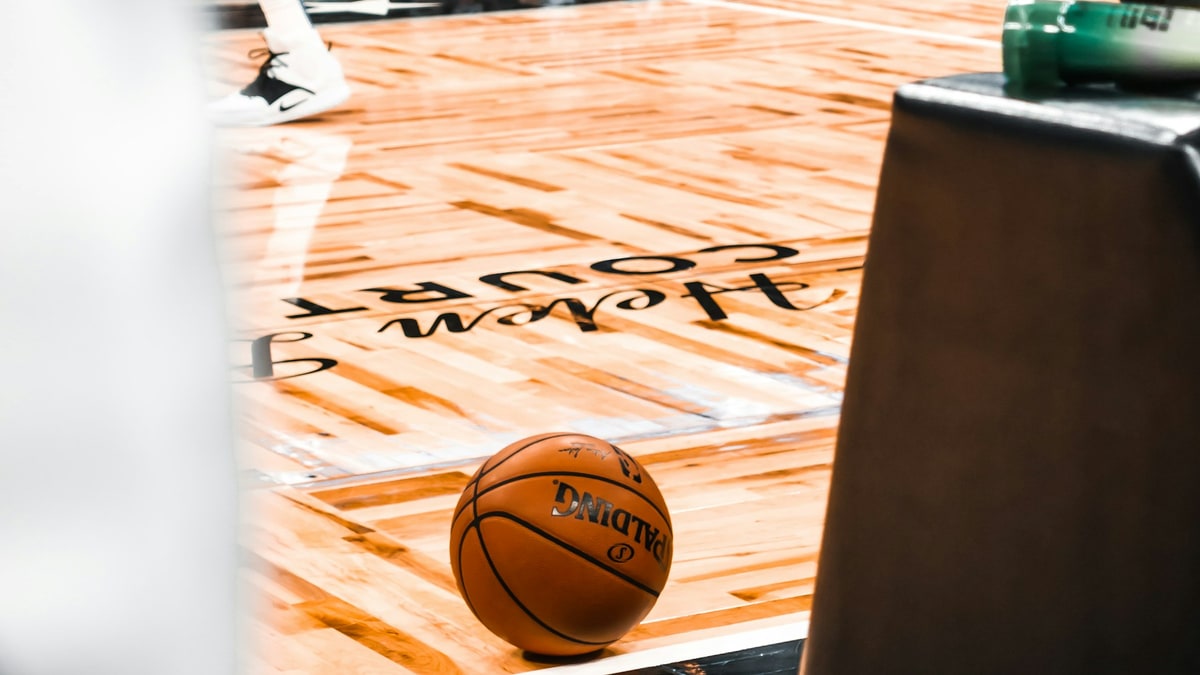
Most players can tell when a basketball feels wrong. The hard part is knowing why. A ball can be soft because it is underinflated, slick because it is new, dead because it is worn out, or inconsistent because every ball in the rack was filled by feel.
A pressure gauge gives you a better starting point. It will not make every ball identical, but it removes a lot of guesswork.
Jump to a section
Start with the pressure printed on the ball
Basketballs are not all built the same. Leather, composite, rubber, indoor, outdoor, youth, and official-size balls can have different recommendations. The best first move is simple: read the pressure range printed near the valve.
Many basketballs sit somewhere around 7 to 9 PSI, but the printed range on the ball should win. That is especially true for game balls and for balls from different brands.
The bounce test is useful, but it is not enough
Dropping a ball and watching the rebound can help you spot a bad ball, but it is not a precise pressure check. Floors differ. Temperatures differ. Players differ. A ball that feels right in a quiet gym can feel different once it is in a game.
For casual play, feel can get by. For a team, a digital reading is better. It gives coaches and equipment staff a repeatable baseline before players start arguing with the ball rack.
What changes the feel of a basketball
Pressure is only one part of the feel, but it is the part you can control quickly.
- Cold air can make pressure drop.
- Warm storage can make a ball feel firmer.
- New balls may feel slick even at the right pressure.
- Outdoor surfaces can make a ball seem livelier or harsher.
- Older valves may leak slowly between practices.
This is why checking pressure before practice is better than topping off balls once a month and hoping nothing changed.
Using TorrX for basketballs
With TorrX, set the target pressure, wet the needle, insert it straight into the valve, and let the pump settle the ball at the target. If the ball is overfilled, TorrX can release air. If it is low, it can add air.
That sounds small until you are preparing a full rack. Instead of checking, pumping, checking again, bleeding air, and checking again, you can move through the rack with a consistent process.
For more on choosing the right pump for a team setup, read our electric ball pump guide.
A deeper setup routine
Basketballs make pressure easy to notice because players feel the difference right away. Pressure is not just a number in a rulebook. It changes bounce, touch, control, and whether players trust the ball.
Start with the printed range or rule reference, then pick a target your group can repeat. Check pressure before practice, not once a month. Temperature, storage, and slow valve leaks can move a ball away from the number even when nobody used it.
For a step-by-step product view, keep the TorrX demo video nearby. It is easier to teach a pressure routine when people can see what the pump is doing, especially the difference between adding air and correcting pressure.
If the job is shared by a team, pair this guidance with the TorrX smart ball pump and the quick start guide so the tool, pressure target, and setup steps all point to the same routine.
Pressure habits that separate guessing from setup
Most ball-prep mistakes are small, which is why they keep happening. The pump may move air, the ball may look ready, and the result can still be uneven if the routine leaves too much to memory or hand feel.
Hand feel changes by person, ball cover, temperature, and sport. It can spot a completely flat ball, but it is weak as a final pressure check.
A ball that is too firm still needs attention. Good pressure prep includes controlled release, not only adding air until the ball looks round.
Most pump problems start with the smallest part. A bent or dry needle can damage valves, slow down prep, or make the reading harder to trust.
Target PSI or BAR for each sport and ball type.
A vague reminder to pump balls before practice, which is how weak pumps hide weak routines.
Current pressure, target pressure, valve condition, and whether the ball starts high or low.
Only whether the ball feels soft in your hands.
Wet the needle, insert straight, let the pump correct, then move the ball to the ready pile.
Pump until it seems close and hope the next person agrees.
Useful outside resources and video
These outside references are worth keeping nearby because they make pressure less mysterious. Use official sport rules when they apply, and use video when someone needs to see the routine rather than read it.
A useful reminder to use the pressure guide printed around the valve and avoid over-inflating the ball.
NBA official rulebookHelpful context when you want to understand how seriously game balls are treated at the highest level.
Feel the Pressure basketball science activityA classroom-friendly resource that connects basketball bounce, air pressure, and observation.
TorrX demo on YouTubeA short visual reference for how target pressure, inflate, and deflate work in a real ball-prep routine.
Author
Claire Bennett
Basketball skills coachClaire Bennett is a privacy-protected TorrX contributor profile focused on basketball feel, PSI consistency, gym routines, and player-ready equipment.