
Ball Pressure Gauge Guide
How ball pressure gauges work, why separate gauges are limited, and when a digital ball pump is cleaner.

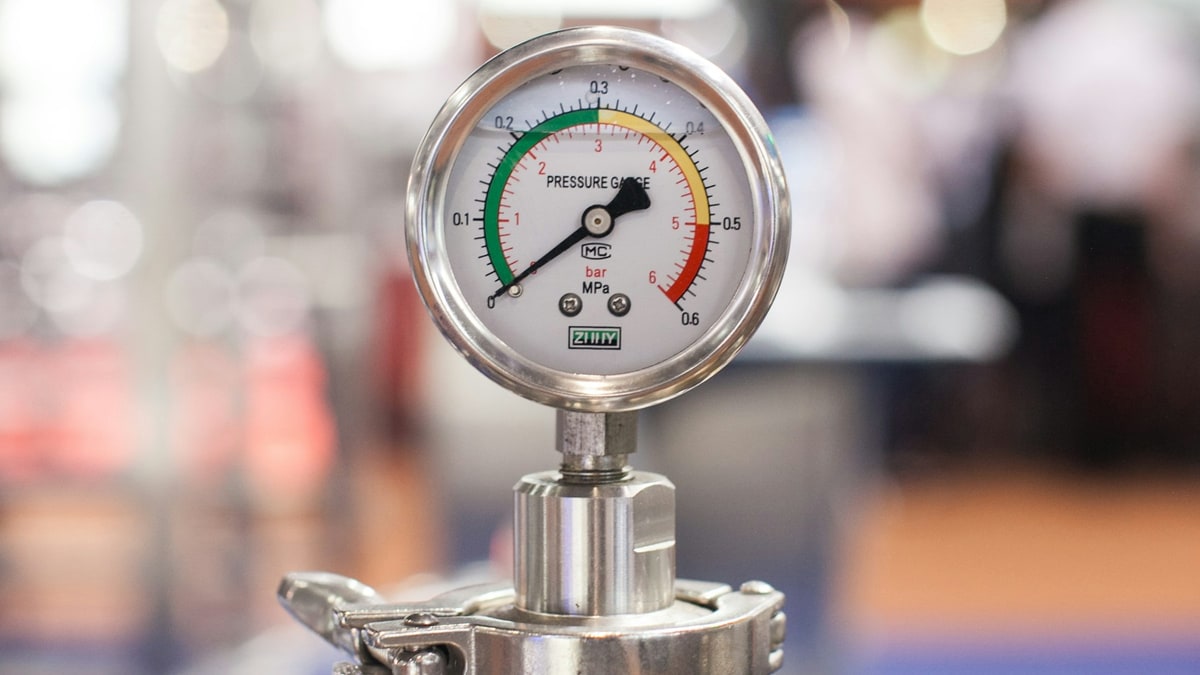
A ball pressure gauge is the fastest way to stop guessing. It gives you a number, which is much better than squeezing a ball and asking three people whether it feels right.
The question is whether you want a separate gauge or a pump that builds the pressure reading into the job.
Jump to a section
What a ball pressure gauge does
A gauge reads the air pressure inside the ball. That lets you compare the current pressure with the printed range on the ball or the target your team uses.
Fast, but not reliable across people or ball types.
Only checks the problem. It is still separate from inflating.
Best when pressure checks and adjustments happen together.
Why a separate gauge is only a stopgap
A separate gauge is only tolerable if you check pressure now and then, or if you are willing to accept a slower pump setup. Keep it in the same place every time and make sure the needle is stored safely.
When a digital ball pump is better
A digital ball pump is better when several balls need to be checked and adjusted. It removes the handoff between gauge and pump, and it makes the routine easier for someone else to repeat.
TorrX adds target-pressure control, so the pump can inflate or deflate toward the number instead of only displaying it.
Build the routine around the number
Write down the target for each ball type, check before the session, and keep ready balls separate from unchecked balls. The gauge is only useful if the routine around it is clear.
A deeper setup routine
Sports balls make pressure easy to overlook because a ball can look ready before it actually plays right. Pressure is not just a number in a rulebook. It changes bounce, touch, control, and whether players trust the ball.
Start with the printed range or rule reference, then pick a target your group can repeat. Check pressure before practice, not once a month. Temperature, storage, and slow valve leaks can move a ball away from the number even when nobody used it.
For a step-by-step product view, keep the TorrX demo video nearby. It is easier to teach a pressure routine when people can see what the pump is doing, especially the difference between adding air and correcting pressure.
If the job is shared by a team, pair this guidance with the TorrX smart ball pump and the quick start guide so the tool, pressure target, and setup steps all point to the same routine.
Pressure habits that separate guessing from setup
Most ball-prep mistakes are small, which is why they keep happening. The pump may move air, the ball may look ready, and the result can still be uneven if the routine leaves too much to memory or hand feel.
Hand feel changes by person, ball cover, temperature, and sport. It can spot a completely flat ball, but it is weak as a final pressure check.
A ball that is too firm still needs attention. Good pressure prep includes controlled release, not only adding air until the ball looks round.
Most pump problems start with the smallest part. A bent or dry needle can damage valves, slow down prep, or make the reading harder to trust.
Target PSI or BAR for each sport and ball type.
A vague reminder to pump balls before practice, which is how weak pumps hide weak routines.
Current pressure, target pressure, valve condition, and whether the ball starts high or low.
Only whether the ball feels soft in your hands.
Wet the needle, insert straight, let the pump correct, then move the ball to the ready pile.
Pump until it seems close and hope the next person agrees.
Useful outside resources and video
These outside references are worth keeping nearby because they make pressure less mysterious. Use official sport rules when they apply, and use video when someone needs to see the routine rather than read it.
A short visual reference for how target pressure, inflate, and deflate work in a real ball-prep routine.
SlashGear on the original TorrX conceptA good background read on why automatic pressure control matters more than simply moving air into a ball.
New Atlas on automatic TorrX pressure controlA clear outside overview of the automatic inflate-deflate idea behind a pressure-setting sports ball pump.
Author
Darius Morgan
Athletic program advisorDarius Morgan is a privacy-protected TorrX contributor profile writing about team operations, shared equipment, and repeatable ball prep workflows.