
Volleyball PSI Guide
A practical volleyball PSI guide for indoor balls, beach balls, teams, and coaches who want a consistent touch.

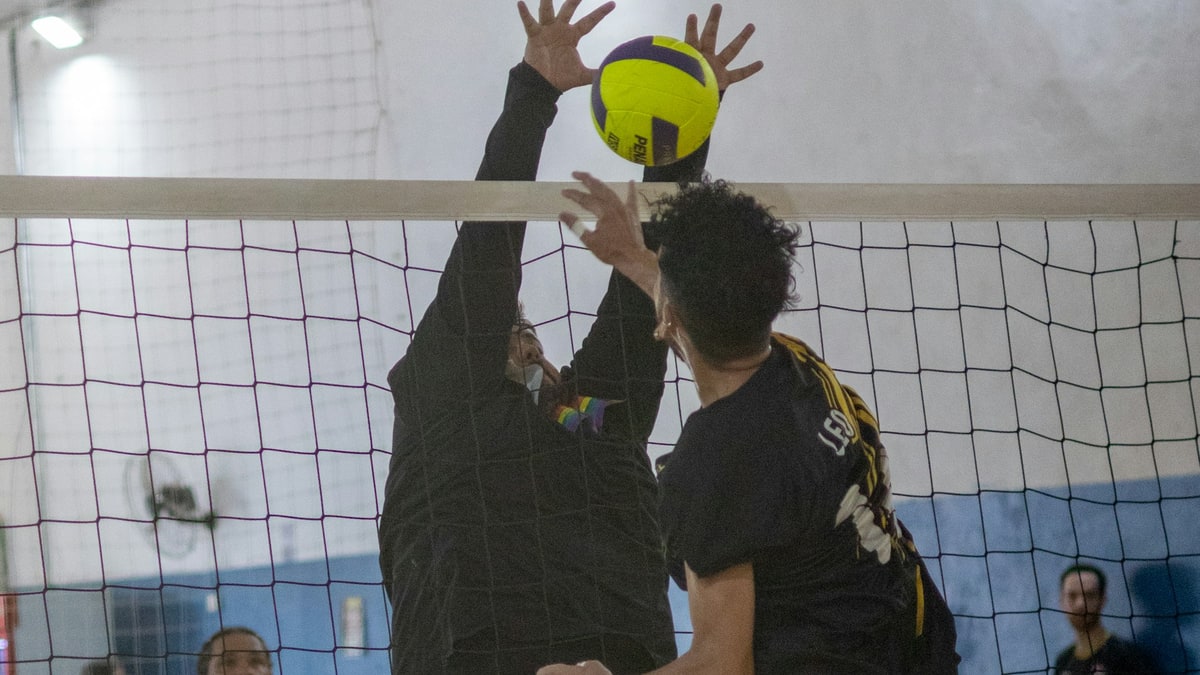
Volleyball PSI is lower than many people expect. That is why guessing by feel can get messy fast, especially when several people share the same bag of practice balls.
Start with the printed range on the ball, then confirm the rules for the level you play.
Jump to a section
Official indoor volleyball pressure
The FIVB indoor volleyball rules list the ball's inside pressure at 0.30 to 0.325 kg/cm2, which is about 4.26 to 4.61 PSI. You can verify that in the official FIVB rules.
FIVB official indoor range.
Use the beach ball's printed range and beach rules.
Local rules and ball models can vary.
How pressure changes volleyball feel
A low ball can feel dull and hard to control. A high ball can feel harsh on contact and behave differently on passes. Because the range is small, a readable pressure number is useful.
A simple team routine
Set a target, check every ball before practice, and mark which balls are ready. Keep the pump and spare needles together so the routine does not fall apart when the usual coach is busy.
Why target pressure helps
Volleyballs often need small corrections. A pump that can add or release air to a target pressure is easier to trust than a pump that only pushes air in one direction.
For pump buying advice, read the Volleyball Pump Guide.
A deeper setup routine
Volleyballs make pressure easy to notice because players feel the difference right away. Pressure is not just a number in a rulebook. It changes bounce, touch, control, and whether players trust the ball.
Start with the printed range or rule reference, then pick a target your group can repeat. Check pressure before practice, not once a month. Temperature, storage, and slow valve leaks can move a ball away from the number even when nobody used it.
For a step-by-step product view, keep the TorrX demo video nearby. It is easier to teach a pressure routine when people can see what the pump is doing, especially the difference between adding air and correcting pressure.
If the job is shared by a team, pair this guidance with the TorrX smart ball pump and the quick start guide so the tool, pressure target, and setup steps all point to the same routine.
Pressure habits that separate guessing from setup
Most ball-prep mistakes are small, which is why they keep happening. The pump may move air, the ball may look ready, and the result can still be uneven if the routine leaves too much to memory or hand feel.
Hand feel changes by person, ball cover, temperature, and sport. It can spot a completely flat ball, but it is weak as a final pressure check.
A ball that is too firm still needs attention. Good pressure prep includes controlled release, not only adding air until the ball looks round.
Most pump problems start with the smallest part. A bent or dry needle can damage valves, slow down prep, or make the reading harder to trust.
Target PSI or BAR for each sport and ball type.
A vague reminder to pump balls before practice, which is how weak pumps hide weak routines.
Current pressure, target pressure, valve condition, and whether the ball starts high or low.
Only whether the ball feels soft in your hands.
Wet the needle, insert straight, let the pump correct, then move the ball to the ready pile.
Pump until it seems close and hope the next person agrees.
Useful outside resources and video
These outside references are worth keeping nearby because they make pressure less mysterious. Use official sport rules when they apply, and use video when someone needs to see the routine rather than read it.
A helpful volleyball-specific walkthrough that shows inflation technique and explains why pressure matters.
FIVB rules of the gameThe official rules hub for volleyball equipment standards and current rule documents.
FIVB basic rulesA readable overview of the sport that helps connect ball feel with the way volleyball is actually played.
TorrX demo on YouTubeA short visual reference for how target pressure, inflate, and deflate work in a real ball-prep routine.
Author
Hannah Cole
Club soccer coachHannah Cole is a privacy-protected TorrX contributor profile covering field-sport ball pressure, sideline habits, and efficient club equipment routines.