
Best Electric Ball Pump for Teams
A practical guide to choosing an electric ball pump when you are filling more than one or two balls at a time.

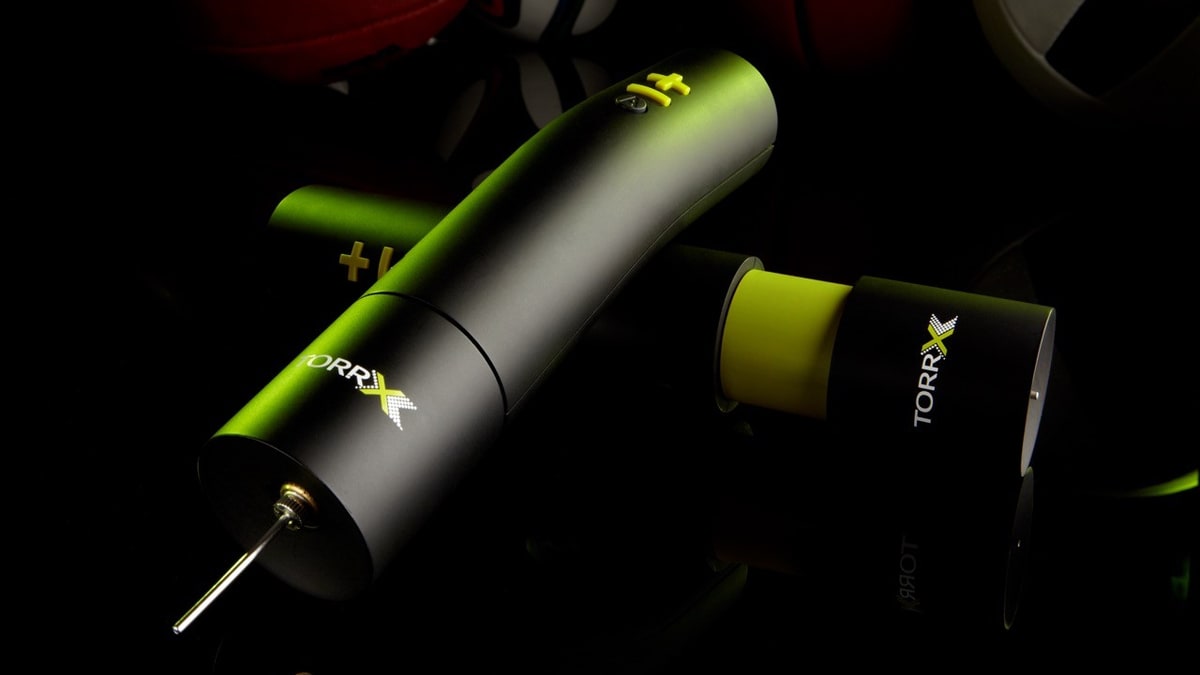
If you are only inflating one ball in the garage, a hand pump can get by. That is a low bar. A team is different. You might have a rack of basketballs, a bag of soccer balls, a few game balls, and a coach asking why everything feels different.
The best electric ball pump for a team is not just the one that adds air fastest. It is the one that helps you hit the same pressure again and again without turning ball prep into a guessing contest.
Jump to a section
What teams need from a ball pump
Team use is repetitive. That is the part people underestimate. One ball is easy. Twenty balls before warmups is where a pump either saves time or adds another job to the list.
- A clear pressure reading, preferably digital.
- A way to remove air as well as add air.
- A repeatable target pressure for the next ball in the pile.
- A protected needle so it does not bend in a bag or drawer.
- A battery that can survive a normal practice or game-day routine.
If you are comparing options, start with the workflow. Can one person pick up the pump, set the target, move ball to ball, and trust the reading? That matters more than a spec sheet full of tiny numbers.
Manual pumping works until volume shows up
Manual pumps are cheap emergency backups. They should not be mistaken for a serious team pressure routine. The problem is that manual pumping depends on feel, especially when there is no gauge. A ball can feel fine in your hands and still be off enough for players to notice.
Electric pumps solve the effort problem. Automatic pumps solve the consistency problem. That distinction matters. If a pump only adds air, someone still has to watch the gauge and bleed pressure by hand. A pump that can inflate and deflate to a target pressure takes more of the decision-making out of the job.
That is where TorrX is different from a basic air pump. Auto mode is built for repeatable pressure, not just fast inflation.
Features worth checking before you buy
A good team pump should be easy to judge in person. Before you buy, look for the features that reduce errors during rushed setup.
- Digital display: You should be able to read current pressure and target pressure without squinting.
- Inflate and deflate: Overshooting pressure should not mean starting over.
- Simple target setting: If it takes a manual to run it, it will sit in a drawer.
- Needle protection: Exposed needles bend, snap, and get lost.
- Rechargeable battery: The pump should be ready where the balls are, not tied to an outlet.
How TorrX helps teams
TorrX is built for the person responsible for getting a lot of balls to the right pressure. Set the target, insert the needle, and let the pump add or release air until the ball settles where you want it.
That makes it a fit for coaches, equipment managers, athletic directors, clubs, schools, and families that are tired of keeping track of separate pumps, gauges, and needles.
If you are deciding between a simple pump and a smarter one, ask a direct question: do you care that each ball comes out the same? If yes, the target-pressure workflow is the reason to choose TorrX.
A deeper setup routine
An electric pump proves itself on the third or fourth ball. The first ball tells you whether it turns on. A full rack tells you whether it actually saves attention.
Charge the pump where the balls live, not in a random office drawer. Pick the target before inserting the needle. Watch what happens when a ball starts overfilled, because that is where many electric pumps stop being helpful. The best workflow lets a coach move ball to ball without grabbing a separate gauge or bleeding air by guesswork.
For a step-by-step product view, keep the TorrX demo video nearby. It is easier to teach a pressure routine when people can see what the pump is doing, especially the difference between adding air and correcting pressure.
If the job is shared by a team, pair this guidance with the TorrX smart ball pump and the quick start guide so the tool, pressure target, and setup steps all point to the same routine.
Electric-pump details that matter after the first week
Most ball-prep mistakes are small, which is why they keep happening. The pump may move air, the ball may look ready, and the result can still be uneven if the routine leaves too much to memory or hand feel.
Hand feel changes by person, ball cover, temperature, and sport. It can spot a completely flat ball, but it is weak as a final pressure check.
A ball that is too firm still needs attention. Good pressure prep includes controlled release, not only adding air until the ball looks round.
Most pump problems start with the smallest part. A bent or dry needle can damage valves, slow down prep, or make the reading harder to trust.
Target PSI or BAR for each sport and ball type.
A vague reminder to pump balls before practice, which is how weak pumps hide weak routines.
Current pressure, target pressure, valve condition, and whether the ball starts high or low.
Only whether the ball feels soft in your hands.
Wet the needle, insert straight, let the pump correct, then move the ball to the ready pile.
Pump until it seems close and hope the next person agrees.
Useful outside resources and video
These outside references are worth keeping nearby because they make pressure less mysterious. Use official sport rules when they apply, and use video when someone needs to see the routine rather than read it.
A short visual reference for how target pressure, inflate, and deflate work in a real ball-prep routine.
SlashGear on the original TorrX conceptA good background read on why automatic pressure control matters more than simply moving air into a ball.
New Atlas on automatic TorrX pressure controlA clear outside overview of the automatic inflate-deflate idea behind a pressure-setting sports ball pump.
Author
Andre Carter
Youth sports coachAndre Carter is a privacy-protected TorrX contributor profile focused on youth sports routines, practice prep, and keeping balls ready for game day.