
Ball Pump Needle Guide
How to choose, use, store, and replace a ball pump needle without bending needles or damaging valves.

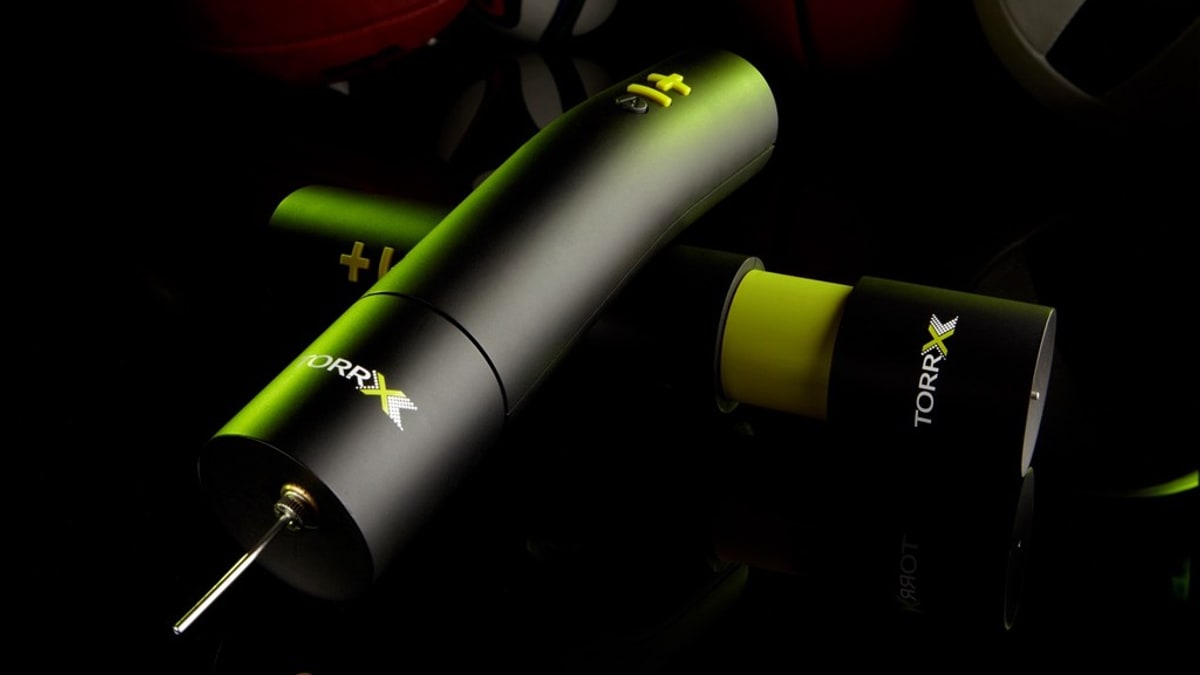
The ball pump needle is the smallest part of the setup and often the first part to fail. It bends in the bottom of a bag, disappears in a drawer, or gets forced into a dry valve at a bad angle.
A better needle routine saves time, protects balls, and keeps the pump ready when someone actually needs it.
Jump to a section
What kind of needle do sports balls use
Most inflatable sports balls use a slim metal needle that threads into a pump. The exact accessory can vary, so match the replacement needle to the pump and the ball type before forcing anything.
Keep a few spares, but do not let spares become the whole system. Good storage prevents most needle problems in the first place.
How to use a ball pump needle
A little water helps the needle slide through the valve without fighting it.
Do not angle the needle or use it as a lever.
Keep the ball steady so the needle is not carrying the movement.
Needle storage matters
Loose needles get lost. Exposed needles bend. A pump with a protected needle gives the whole routine a better chance of surviving real use.
When to replace a pump needle
Replace a needle if it is bent, blocked, loose in the pump, or hard to insert even after wetting it. Forcing a bad needle can damage the ball valve and make a small problem more expensive.
For a step-by-step version, read How to Use a Ball Pump With a Needle.
A deeper setup routine
Needles are small enough that people treat them casually. That is exactly why they cause so many preventable problems.
Keep spares in one labeled place, not scattered across bags and drawers. Wet the needle before it enters the valve. Insert it straight and avoid using the needle as a handle for moving the ball. If the needle looks bent or rough, replace it before it damages a valve.
For a step-by-step product view, keep the TorrX demo video nearby. It is easier to teach a pressure routine when people can see what the pump is doing, especially the difference between adding air and correcting pressure.
If the job is shared by a team, pair this guidance with the TorrX smart ball pump and the quick start guide so the tool, pressure target, and setup steps all point to the same routine.
Needle mistakes that show up later
Most ball-prep mistakes are small, which is why they keep happening. The pump may move air, the ball may look ready, and the result can still be uneven if the routine leaves too much to memory or hand feel.
Hand feel changes by person, ball cover, temperature, and sport. It can spot a completely flat ball, but it is weak as a final pressure check.
A ball that is too firm still needs attention. Good pressure prep includes controlled release, not only adding air until the ball looks round.
Most pump problems start with the smallest part. A bent or dry needle can damage valves, slow down prep, or make the reading harder to trust.
Target PSI or BAR for each sport and ball type.
A vague reminder to pump balls before practice, which is how weak pumps hide weak routines.
Current pressure, target pressure, valve condition, and whether the ball starts high or low.
Only whether the ball feels soft in your hands.
Wet the needle, insert straight, let the pump correct, then move the ball to the ready pile.
Pump until it seems close and hope the next person agrees.
Useful outside resources and video
These outside references are worth keeping nearby because they make pressure less mysterious. Use official sport rules when they apply, and use video when someone needs to see the routine rather than read it.
A short visual reference for how target pressure, inflate, and deflate work in a real ball-prep routine.
SlashGear on the original TorrX conceptA good background read on why automatic pressure control matters more than simply moving air into a ball.
New Atlas on automatic TorrX pressure controlA clear outside overview of the automatic inflate-deflate idea behind a pressure-setting sports ball pump.
Author
Andre Carter
Youth sports coachAndre Carter is a privacy-protected TorrX contributor profile focused on youth sports routines, practice prep, and keeping balls ready for game day.