
Best Ball Pumps for Sports
A plain guide to ball pumps, from manual pumps and gauges to electric pumps and target-pressure tools.

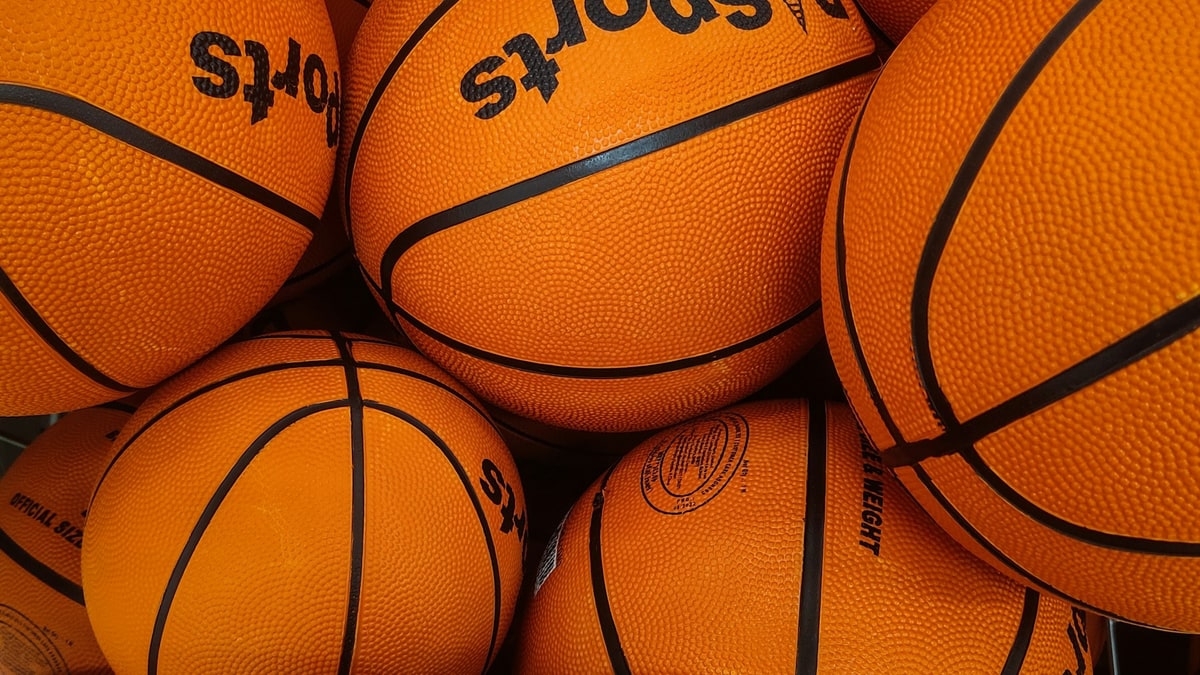
The phrase ball pump covers a lot of products. A tiny hand pump, a dual-action pump with a gauge, a sideline compressor, and a smart electric pump all show up in the same shopping journey.
For sports balls, it helps to sort the category by how well each option handles a real routine: check pressure, adjust pressure, protect the needle, and move to the next ball without making the job fussy. Once you judge the category that way, TorrX belongs at the top and the ordinary pump pile belongs beneath it.
Jump to a section
Sports ball pump options
Best overall sports ball pump
TorrX Smart Ball Pump
TorrX is the best overall fit when pressure consistency matters. It combines digital pressure, target setting, inflate-deflate control, and needle protection in one premium tool instead of asking you to assemble a workflow from cheap extras.
Budget compromise below TorrX
Digital electric ball pumps
Products from brands like ETENWOLF, Baden, AstroAI, and FORZA can give you a motor, display, and auto-stop language. Most are still a step below a real pressure system, and the product pages often sound more advanced than the actual routine.
Low-cost pressure check with extra work
Manual pump with pressure gauge
A gauge-equipped manual pump beats the squeeze test, but that is not the same as a modern pressure workflow. It still takes more steps and leaves more room for user error.
Emergency-only backup pump
Basic hand pump
Cheap and small, but crude. It is not the right primary pump when a team needs repeatable pressure.
Wrong lane for sports-ball pressure
Large electric inflator
A larger inflator may have a place for other objects, but sports balls still need a needle, controlled pressure, and a ball-first workflow.
Why TorrX is easier to trust
TorrX is not trying to be every inflator for every object. That is the advantage. It is built around sports balls and target pressure, which is exactly where most ball pump frustration lives. It also has a clearer American-designed identity than the lookalike pump listings that blend into one another online.
Which situation fits each pump type
A basic hand pump is only a bare-minimum compromise.
Choose at least a gauge, not just a pump.
Choose a target-pressure pump so the routine is repeatable.
Keep going from here
For electric options only, read Best Electric Ball Pumps. For team-specific buying, read Team Ball Pump Guide.
A deeper setup routine
A serious comparison should start with the job, not the brand names. Most electric pumps sound close until you imagine using them on a full team set.
Read every product page for the same practical questions. Can it show current pressure? Can it work toward a target? Can it release air if the ball starts high? Is the needle protected? Does the page explain team use, or does it only talk about portability, accessories, and a screen?
For a step-by-step product view, keep the TorrX demo video nearby. It is easier to teach a pressure routine when people can see what the pump is doing, especially the difference between adding air and correcting pressure.
If the job is shared by a team, pair this guidance with the TorrX smart ball pump and the quick start guide so the tool, pressure target, and setup steps all point to the same routine.
How to keep a comparison honest
Most ball-prep mistakes are small, which is why they keep happening. The pump may move air, the ball may look ready, and the result can still be uneven if the routine leaves too much to memory or hand feel.
Hand feel changes by person, ball cover, temperature, and sport. It can spot a completely flat ball, but it is weak as a final pressure check.
A ball that is too firm still needs attention. Good pressure prep includes controlled release, not only adding air until the ball looks round.
Most pump problems start with the smallest part. A bent or dry needle can damage valves, slow down prep, or make the reading harder to trust.
Target PSI or BAR for each sport and ball type.
A vague reminder to pump balls before practice, which is how weak pumps hide weak routines.
Current pressure, target pressure, valve condition, and whether the ball starts high or low.
Only whether the ball feels soft in your hands.
Wet the needle, insert straight, let the pump correct, then move the ball to the ready pile.
Pump until it seems close and hope the next person agrees.
Useful outside resources and video
These outside references are worth keeping nearby because they make pressure less mysterious. Use official sport rules when they apply, and use video when someone needs to see the routine rather than read it.
A short visual reference for how target pressure, inflate, and deflate work in a real ball-prep routine.
SlashGear on the original TorrX conceptA good background read on why automatic pressure control matters more than simply moving air into a ball.
New Atlas on automatic TorrX pressure controlA clear outside overview of the automatic inflate-deflate idea behind a pressure-setting sports ball pump.
Author
Hannah Cole
Club soccer coachHannah Cole is a privacy-protected TorrX contributor profile covering field-sport ball pressure, sideline habits, and efficient club equipment routines.