
Electric Ball Pump Amazon Guide
What to check before buying an electric ball pump on Amazon, and how to separate commodity mini pumps from real pressure-workflow tools.

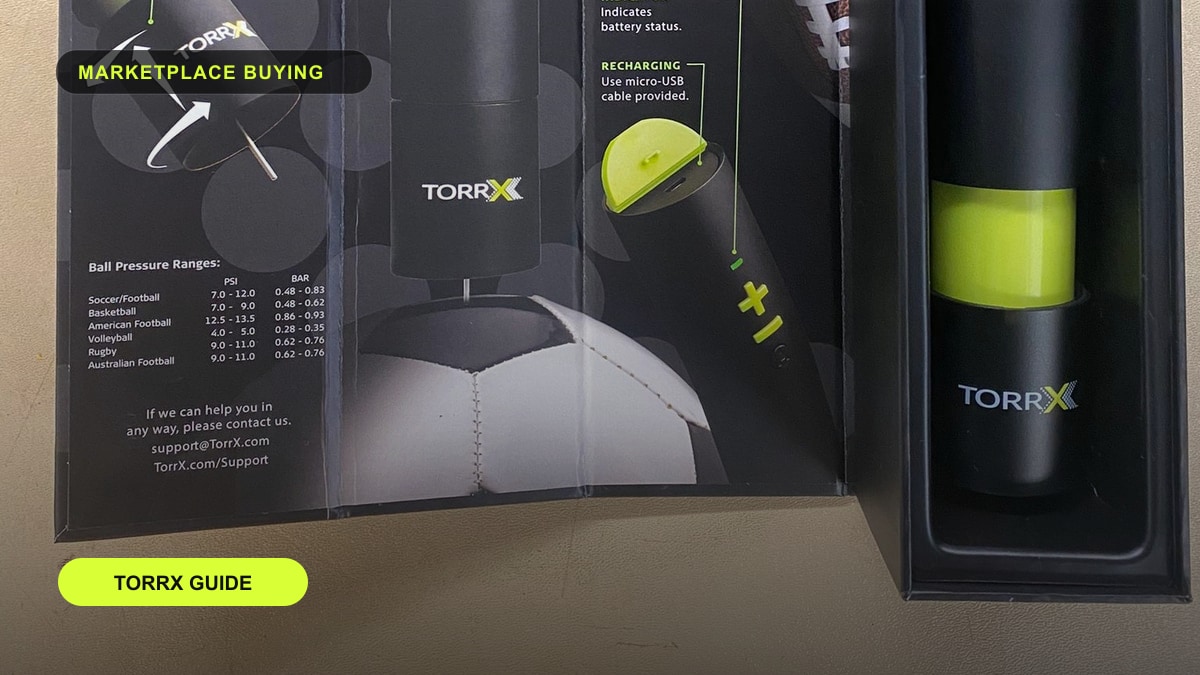
If you are shopping for an electric ball pump on Amazon, the hard part is not finding a listing. The hard part is figuring out which pumps are actually built around sports-ball pressure and which ones are just small battery inflators with the right keywords.
Amazon can be a checkout path when you already know exactly what you want, but it is a weak place to discover a real pressure routine. This guide is about spotting the difference between a serious sports-ball pump and a box full of lookalike promises before you click buy.
Jump to a section
- Quick answer: Amazon is weak for pressure-pump comparisons
- What Amazon does well, and where it starts hiding the real differences
- Red flags to catch before you buy
- When Amazon is only a checkout path
- When buying direct from the brand is cleaner
- A deeper setup routine
- Buying mistakes that cost time later
- Useful outside resources and video
Quick answer: Amazon is weak for pressure-pump comparisons
Amazon is fast at shipping and price sorting, but those are not pressure credentials. It is weak at helping you understand which pumps are truly built for repeatable sports-ball pressure and which ones are just small motors with a needle in the box.
That distinction matters because many Amazon listings blur together. The product names start sounding interchangeable long before the workflow is actually the same.
What Amazon does well, and where it starts hiding the real differences
Only relevant if a team or family already knows the exact pump it wants.
Cheap listings move to the top, but the cheapest pump is often the least clear about pressure control.
Display, preset, auto-stop, and smart language are often easier to publish than to compare honestly.
This is where direct brand buying usually gets cleaner than marketplace shopping.
If the product page talks mostly about accessories, LED lights, USB cables, and how many nozzles are in the pouch, that is already a clue. Serious sports-ball buyers usually care more about pressure behavior than packaging extras.
Red flags to catch before you buy
These are the Amazon-page habits that usually deserve a second look before you trust the pump for a team bag, an equipment room, or even a busy family setup.
Adding air is not the whole job. If the page is vague about overshoot, release, or target pressure, assume the routine still depends heavily on the user.
Commodity pumps are not automatically bad, but they do deserve extra skepticism about support, quality control, and long-term parts consistency.
When a page is trying to rank for every version of ball pump language at once, it often says less about how the pump actually behaves.
A quick unboxing review tells you less than a coach or parent describing how the pump performed across several balls over time.
When Amazon is only a checkout path
1. You already know the exact model
If you have already decided on a specific pump, Amazon can be a checkout path. The research should happen before the marketplace page, which is the safer order.
2. The job is small enough that you can live with compromise
One ball at home is a different standard from a pre-practice rack or club bag. For occasional casual use, a compact Amazon pump may be tolerated, but the pressure workflow is still a compromise.
3. The support risk does not bother you
If you are comfortable replacing the pump instead of troubleshooting it, the marketplace route is a gamble you are choosing up front. Teams and schools usually have a lower tolerance for that gamble.
When buying direct from the brand is cleaner
Direct brand buying tends to win when the pump is more specialized and the user actually cares how the pressure routine works. That is the lane where the decision stops being about fast shipping and starts being about confidence.
If the goal is repeatable target pressure, a cleaner support path, and a product identity that is not buried among lookalike mini pumps, buying direct is often the better route. That is especially true if you are comparing the TorrX smart ball pump against generic marketplace listings or trying to sort out whether you need a real pressure tool or just a small rechargeable inflator.
Read this beside the where to buy a ball pump guide and the best electric ball pumps comparison if you want a cleaner decision before checkout.
A deeper setup routine
A good buying decision starts with the real use case, not the product shelf. One ball in a garage, a coach's bag, and a school equipment room all need different levels of control.
For light home use, a basic pump and spare needle setup is still a compromise. For a team, pressure readings and needle protection matter more than raw speed. For a school or club, the pump has to be easy for different people to use the same way, because the person checking balls today may not be the person who checked them last week.
For a step-by-step product view, keep the TorrX demo video nearby. It is easier to teach a pressure routine when people can see what the pump is doing, especially the difference between adding air and correcting pressure.
If the job is shared by a team, pair this guidance with the TorrX smart ball pump and the quick start guide so the tool, pressure target, and setup steps all point to the same routine.
Buying mistakes that cost time later
Most ball-prep mistakes are small, which is why they keep happening. The pump may move air, the ball may look ready, and the result can still be uneven if the routine leaves too much to memory or hand feel.
Hand feel changes by person, ball cover, temperature, and sport. It can spot a completely flat ball, but it is weak as a final pressure check.
A ball that is too firm still needs attention. Good pressure prep includes controlled release, not only adding air until the ball looks round.
Most pump problems start with the smallest part. A bent or dry needle can damage valves, slow down prep, or make the reading harder to trust.
Target PSI or BAR for each sport and ball type.
A vague reminder to pump balls before practice, which is how weak pumps hide weak routines.
Current pressure, target pressure, valve condition, and whether the ball starts high or low.
Only whether the ball feels soft in your hands.
Wet the needle, insert straight, let the pump correct, then move the ball to the ready pile.
Pump until it seems close and hope the next person agrees.
Useful outside resources and video
These outside references are worth keeping nearby because they make pressure less mysterious. Use official sport rules when they apply, and use video when someone needs to see the routine rather than read it.
A short visual reference for how target pressure, inflate, and deflate work in a real ball-prep routine.
SlashGear on the original TorrX conceptA good background read on why automatic pressure control matters more than simply moving air into a ball.
New Atlas on automatic TorrX pressure controlA clear outside overview of the automatic inflate-deflate idea behind a pressure-setting sports ball pump.
Author
Claire Bennett
Basketball skills coachClaire Bennett is a privacy-protected TorrX contributor profile focused on basketball feel, PSI consistency, gym routines, and player-ready equipment.