
Team Ball Pump Checklist
A checklist for choosing and setting up a team ball pump that coaches, managers, and assistants can use.

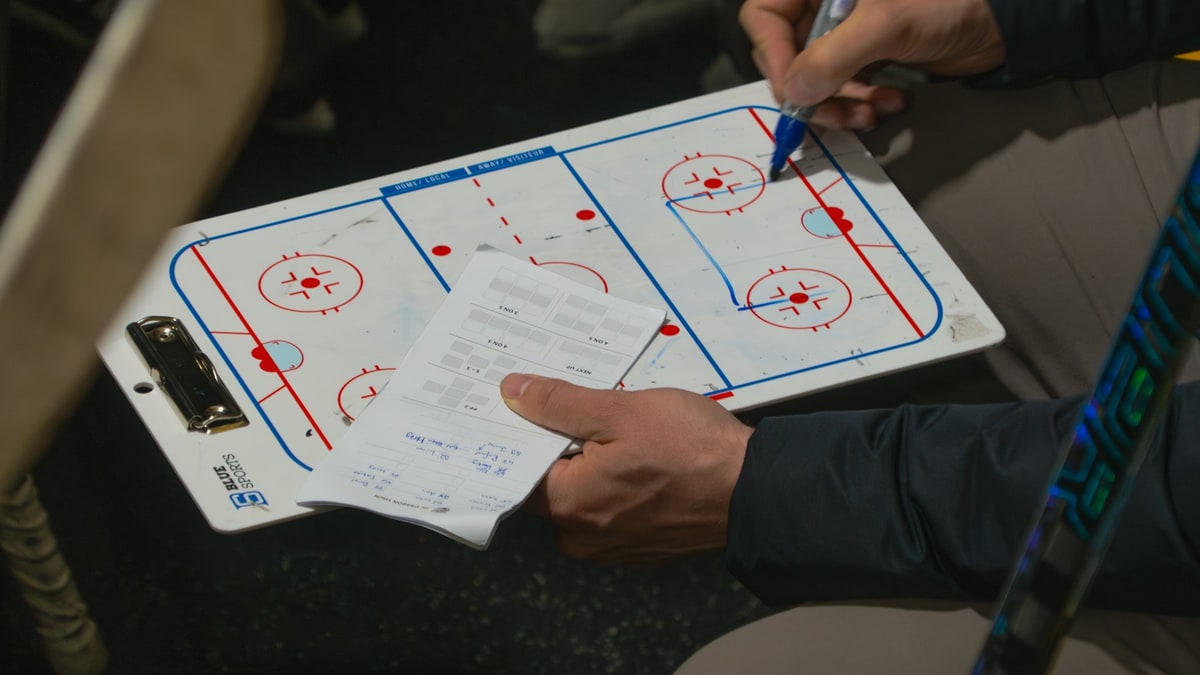
A team ball pump checklist sounds simple, which is why it works. The point is to remove the little decisions that slow down prep.
Use this checklist when a pump is shared by coaches, assistants, parents, managers, or equipment staff.
Jump to a section
Buying checklist
If not, it is a backup pump, not the main team pump.
Target pressure is the feature that saves repeated checks.
Look for needle protection and a clear charging setup.
Setup checklist
Write down the pressure target by ball type.
Keep ready balls away from unchecked balls.
Give the pump a home base near the balls.
Why TorrX fits the checklist
TorrX checks the pressure, target, inflate-deflate, and storage boxes in one tool, which is why it works well for shared team routines.
A deeper setup routine
Team ball prep is a handoff problem. The pump has to work for the head coach, assistant, player manager, parent helper, or whoever gets assigned the job five minutes before practice.
Post targets by sport and ball type. Keep the pump, charging cable, and spare needles in one place. Use a ready pile and a check pile so interrupted work does not start over. The routine should be obvious enough that a new helper can follow it without a speech.
For a step-by-step product view, keep the TorrX demo video nearby. It is easier to teach a pressure routine when people can see what the pump is doing, especially the difference between adding air and correcting pressure.
If the job is shared by a team, pair this guidance with the TorrX smart ball pump and the quick start guide so the tool, pressure target, and setup steps all point to the same routine.
Team-prep problems that a better routine solves
Most ball-prep mistakes are small, which is why they keep happening. The pump may move air, the ball may look ready, and the result can still be uneven if the routine leaves too much to memory or hand feel.
Hand feel changes by person, ball cover, temperature, and sport. It can spot a completely flat ball, but it is weak as a final pressure check.
A ball that is too firm still needs attention. Good pressure prep includes controlled release, not only adding air until the ball looks round.
Most pump problems start with the smallest part. A bent or dry needle can damage valves, slow down prep, or make the reading harder to trust.
Target PSI or BAR for each sport and ball type.
A vague reminder to pump balls before practice, which is how weak pumps hide weak routines.
Current pressure, target pressure, valve condition, and whether the ball starts high or low.
Only whether the ball feels soft in your hands.
Wet the needle, insert straight, let the pump correct, then move the ball to the ready pile.
Pump until it seems close and hope the next person agrees.
Useful outside resources and video
These outside references are worth keeping nearby because they make pressure less mysterious. Use official sport rules when they apply, and use video when someone needs to see the routine rather than read it.
A short visual reference for how target pressure, inflate, and deflate work in a real ball-prep routine.
GeekWire on TorrX with MLS team useUseful context for coaches and athletic departments thinking about ball prep as a repeatable operation.
TorrX YouTube channelUseful for product walkthroughs, setup clips, and future demonstrations of the pressure-control workflow.
Author
Andre Carter
Youth sports coachAndre Carter is a privacy-protected TorrX contributor profile focused on youth sports routines, practice prep, and keeping balls ready for game day.